


Honda Maintenance Intervals Info & Service Schedules
Keeping your Honda vehicle in top condition is essential for ensuring its longevity, performance, and safety. Regular maintenance helps prevent costly repairs and breakdowns, and it can also help improve fuel economy. Honda provides a recommended maintenance schedule for all of its vehicles, and following this schedule is vital for maintaining your vehicle’s warranty.
Honda Maintenance Intervals
Honda’s maintenance schedule is based on mileage intervals, with some services required more frequently than others. The specific services required will also vary depending on your vehicle’s model and year. However, there are some general guidelines that you can follow.
Every 7,500 miles or 12 months:
- Oil and filter change
- Tire rotation
- Tire tread and pressure inspection
- Brake inspection
- Lubricate throttle linkage
Every 15,000 miles or 12 months:
- Chassis and hinges lubrication
- Oil drain plug and gasket replacement
- Windshield wiper replacement
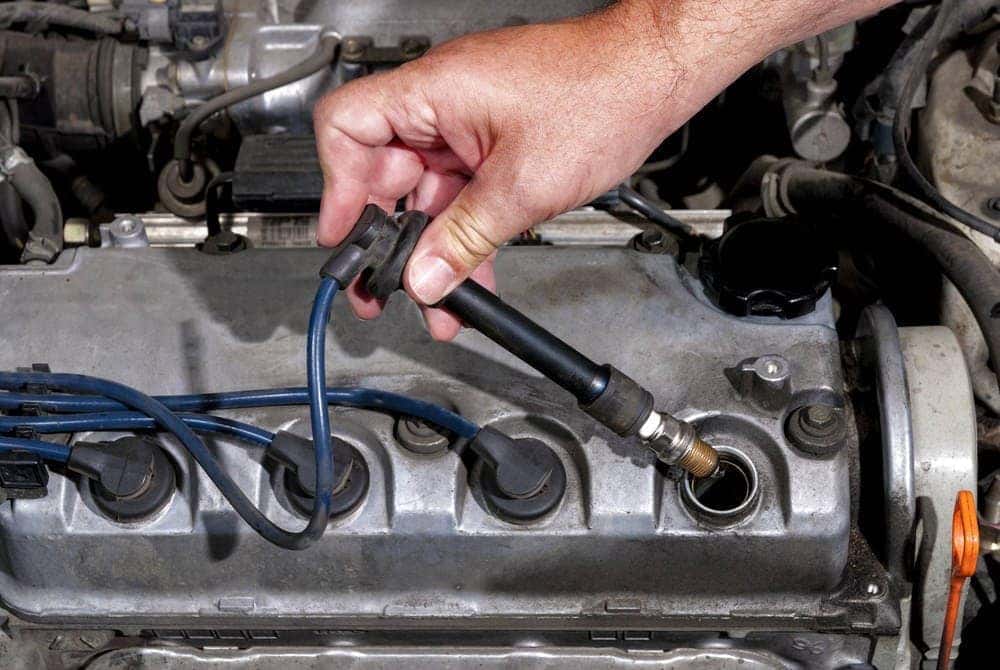
- Spark plugs replacement (as needed)
- Tire rotation and wheel balancing
Every 30,000 miles or 24 months:
- Fuel tank cap gasket, fuel lines, and connections check
- PCV valve service
- Transmission service
- Battery inspection and cables and terminals cleaning
- Differential oil replacement
Additional Maintenance Items
In addition to the regular maintenance items listed above, there are a few other things that you should check on a regular basis:
- Engine coolant level: Check the coolant level every month. If the level is low, add the recommended coolant.
- Brake fluid level: Check the brake fluid level every month. Add the recommended brake fluid if the level is low.
- Windshield washer fluid: Check the windshield washer fluid level regularly and add more if necessary.
- Tires: Check your tires for wear and pressure at least once a month.

Honda Maintenance Codes
Honda also uses a system of maintenance codes to communicate with its technicians. You can find the maintenance codes for your vehicle in your owner’s manual. These codes are used to identify the specific services that are required for your vehicle.
Code A signals the need for an oil change, while Code B implies a more comprehensive inspection:
- An oil and filter change
- Brake inspection
- Parking brake adjustment
- Suspension component inspection
- Driveshaft boot inspection
- Brake hose and line inspection
- Inspection of fluid levels and condition of all fluids
- Inspection of tie rod ends, steering gearbox, and boots for any issues.
- Cooling system hoses and connections inspection
- Exhaust system inspection
- Fuel lines and connections inspection
Additional numeric codes from 1 to 6 indicate other essential services:
Code 1: Tire rotation is needed
- Code 2: Engine air filter and cabin air filter replacement, and checking drive belt
- Code 3: Transmission fluid replacement
- Code 4: Spark plugs replacement and valve clearance inspection (as needed)
- Code 5: Engine coolant replacement
- Code 6: VTM-4 fluid differential fluid change (as needed)
When looking for the best age for a used Honda car, understanding these maintenance codes helps to ensure that the vehicle has been well-maintained and can provide reliable service for years to come.
Keeping Track of Your Maintenance
The best way to keep track of your Honda’s maintenance is to keep a maintenance log. This log should include the date, mileage, and services performed at each maintenance appointment. You can also use a maintenance reminder app to help you stay on top of your schedule.
Honda Service Express
Hendrick Honda of Charleston offers Honda Service Express, a convenient and affordable way to get your Honda vehicle serviced. With Honda Service Express, you can get your oil changed, tires rotated, and more in just 30 minutes or less.
Schedule Your Honda Maintenance Appointment Today
If your Honda vehicle is due for maintenance, schedule an appointment with Hendrick Honda of Charleston today. Our certified technicians will perform the recommended services and get you back on the road quickly.
<p”>Is it time to take your vehicle in for an assessment? From oil changes to tire rotation services, our highly trained service technicians near Mount Pleasant and The Citadel have your back! If you have any questions, feel free to contact us by phone or schedule a service appointment online for convenience. Our team is eager to assist you in getting back on the road in a timely manner!
Frequently Asked Questions About Honda Maintenance Intervals
What Is Honda’s Maintenance Minder System?
The Maintenance Minder system is Honda’s proprietary system designed to inform you about your vehicle’s service needs. It provides real-time data for your vehicle’s maintenance needs, helping you to maximize efficiency, dependability, and durability of your Honda.
How Does Honda’s Maintenance Minder System Work?
The Maintenance Minder system monitors your vehicle’s operating conditions while you drive. The system takes into account your car’s mileage, engine condition, and how hard you drive. When maintenance is due, the system will display it as a code on your dashboard.
How Often Should Honda Vehicles Undergo Maintenance According To The Maintenance Minder System?
The Maintenance Minder system adjusts the maintenance intervals based on engine operating conditions. A typical interval for oil changes can range from 5,000 to 10,000 miles. However, this may differ based on your driving patterns and the situations you face.
Are There Any Services Not Covered By The Maintenance Minder System?
Honda’s Maintenance Minder system covers most of the routine services your vehicle needs. However, services like replacing the brake pads, air conditioning service, or tire rotations might not be covered, as these largely depend on driving conditions. Always refer to your vehicle’s owner manual for a complete list of recommended services.
What Does Code A And Code B Mean In Honda’s Maintenance Minder System?
In Honda’s Maintenance Minder system, Code A signals the need for an oil change, while Code B implies a more comprehensive inspection. The comprehensive inspection includes an oil and filter change, brake inspection, parking brake adjustment, and multiple inspections on the vehicle’s various components.
0 comment(s) so far on Honda Maintenance Intervals Info & Service Schedules